Nutrition Facts
Example A · serving size 1 cup
Calories160
Sodium180 mg
Dietary fiber5 g
Added sugars2 g
 BioMind LifeHealthy people • Brighter livesEN Հայերեն / Русский planned
See the science
Simple, interactive illustrations that make nutrition ideas easier to understand. Use them as educational starting points, not personal diet plans.
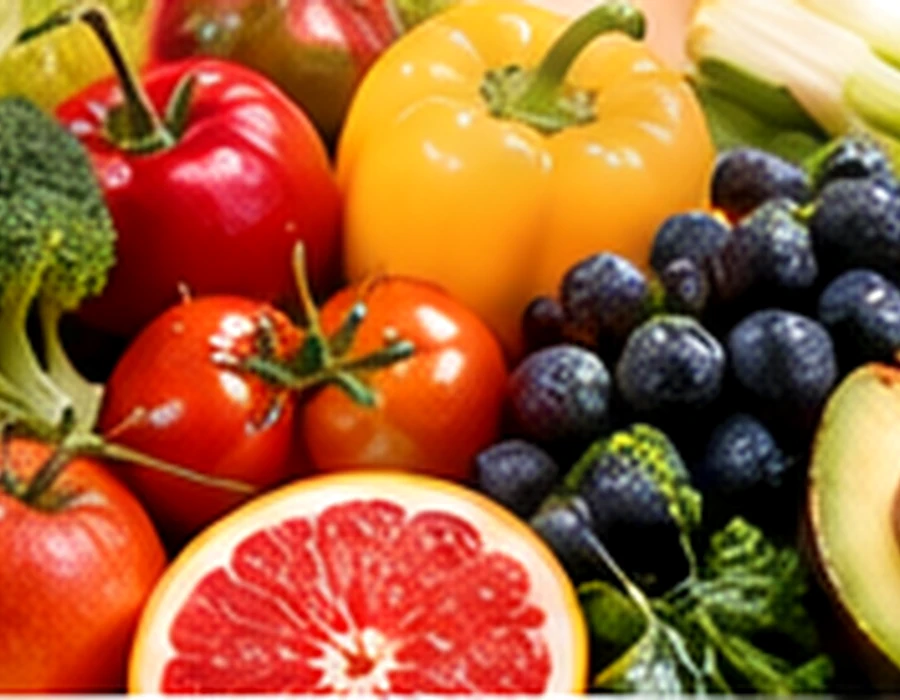
Visual guide 01
Inspired by the USDA MyPlate pattern.
Approximately half the plate is fruits and vegetables, with grains and protein foods making up the remainder. Dairy or fortified alternatives can be included according to your preferences and needs.
Visual guide 02
Compare two fictional examples with the same serving size.
Example A · serving size 1 cup
Example B · serving size 1 cup
Both examples show amounts for one cup. Example A lists less sodium and added sugar, and more fiber. The better choice depends on the food, your overall eating pattern and your personal needs.
Important: These numbers are fictional and teach label-reading only; they are not real product data.
How FDA labels work ↗Visual guide 03
Leafy greens, carrots, peppers, broccoli
Berries, citrus, apples, melon
Oats, quinoa, whole wheat, brown rice
Beans, lentils, tofu, seafood, eggs
Yogurt, milk, fortified soy products